The Cell and its environment: Physical and Biophysical processes.
The Cell and Its Environment: Physical and Biophysical Processes
The cell, the basic unit of life, is constantly interacting with its environment. Several physical and biophysical processes govern the exchange of substances between the cell and its surroundings. These processes are vital for the cell's survival and function. The three key processes involved are diffusion, osmosis, and active transport, all of which play critical roles in regulating the internal environment of the cell. This note explains each process, their significance, and the conditions under which they occur, along with relevant phenomena like haemolysis, plasmolysis, turgidity, and crenation.
1. Diffusion
Definition:
Diffusion is the movement of molecules or ions from a region of higher concentration to a region of lower concentration, driven by the concentration gradient. This process does not require energy and occurs spontaneously.
Key Points:
-
Types of Diffusion:
- Simple diffusion: Molecules move across a membrane without the aid of transport proteins (e.g., oxygen and carbon dioxide).
- Facilitated diffusion: Molecules move through membrane proteins that act as channels or carriers (e.g., glucose, ions).
-
Rate of Diffusion:
- Affected by factors like temperature, concentration gradient, surface area of the membrane, and the permeability of the membrane.
- Fick’s Law: Describes the rate of diffusion as proportional to the concentration gradient and membrane surface area, and inversely proportional to the distance.
Significance in Cell Activity:
Diffusion helps in the exchange of gases (O₂ and CO₂), nutrients, and waste products between the cell and its environment. It ensures the cell maintains homeostasis by balancing the internal and external environments.
Example:
- Oxygen diffuses from the lungs (high concentration) into the blood (low concentration) for transport to tissues.
2. Osmosis
Definition:
Osmosis is a specific type of diffusion involving the movement of water molecules through a semi-permeable membrane from a region of lower solute concentration to a region of higher solute concentration.
Key Points:
-
Osmotic Pressure:
The pressure required to stop the flow of water during osmosis. It is proportional to the concentration of solute molecules on either side of the membrane. -
Types of Solutions:
- Isotonic: Solution concentration is equal inside and outside the cell. No net water movement.
- Hypotonic: Solution has a lower solute concentration than the cell's interior. Water enters the cell, potentially causing it to swell or burst (lysis).
- Hypertonic: Solution has a higher solute concentration than the cell's interior. Water exits the cell, causing it to shrink (crenation).
Significance in Cell Activity:
Osmosis is critical for maintaining the fluid balance in cells and tissues. Cells rely on osmotic pressure to regulate water intake and expulsion, which affects cell shape, volume, and internal environment.
Example:
- Red blood cells in pure water (hypotonic solution) will swell and possibly burst, leading to haemolysis.
:max_bytes(150000):strip_icc()/Osmotic_pressure_on_blood_cells_diagram-5930b29e5f9b589eb499a7c6.png)
3. Active Transport
Definition:
Active transport is the process by which molecules or ions are moved across a membrane against their concentration gradient, requiring energy (usually in the form of ATP).
Key Points:
-
Transport Proteins:
Active transport uses specific proteins (pumps) embedded in the membrane, such as the sodium-potassium pump (Na+/K+ pump). -
ATP Requirement:
The energy from ATP hydrolysis is used to change the shape of the transport protein, allowing the molecule or ion to be transported across the membrane. -
Types of Active Transport:
- Primary Active Transport: Direct use of energy to move substances (e.g., sodium-potassium pump).
- Secondary Active Transport: Indirect use of energy by relying on gradients created by primary active transport.
Significance in Cell Activity:
Active transport is essential for nutrient uptake (e.g., glucose, amino acids), ion balance (e.g., Na+, K+, Ca2+), and the removal of waste products. Without active transport, cells would not be able to accumulate necessary substances or expel waste efficiently.
Example:
- The Na+/K+ pump helps maintain a low sodium concentration and high potassium concentration inside the cell, vital for nerve impulse transmission and muscle contraction.
Phenomena Related to the Physical and Biophysical Processes
These phenomena occur as a result of the interactions between the cell and its environment through diffusion, osmosis, and active transport.
1. Haemolysis
Definition:
Haemolysis is the rupture or destruction of red blood cells due to the influx of water from a hypotonic solution, leading to excessive swelling and bursting.
Cause:
Occurs when red blood cells are placed in a hypotonic solution (e.g., pure water), causing water to move into the cells via osmosis.
Significance:
Haemolysis demonstrates the importance of osmotic balance and how cells must maintain a stable environment to function properly.
Example:
- Red blood cells exposed to pure water will swell and burst, releasing hemoglobin into the surrounding fluid.
2. Plasmolysis
Definition:
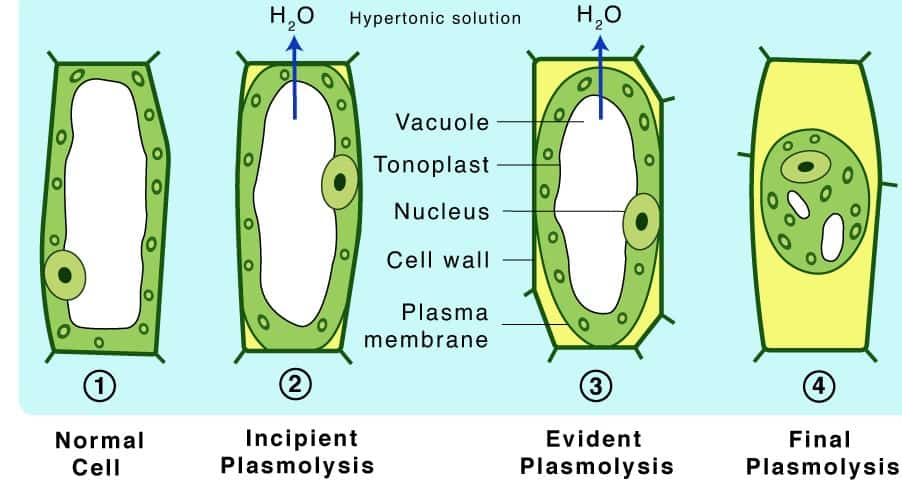
Plasmolysis is the shrinkage of the cytoplasm away from the cell wall in plant cells when placed in a hypertonic solution.
Cause:
Water exits the plant cell, causing the cell membrane to pull away from the rigid cell wall.
Significance:
Plasmolysis shows how plant cells can lose turgor pressure and may not function properly if the external environment is too salty (hypertonic).
Example:
- When a plant cell is placed in a concentrated salt solution, water moves out, leading to the contraction of the protoplast.
3. Turgidity
Definition:
Turgidity refers to the state of being swollen or firm due to water intake by a plant cell. The pressure exerted by the cell membrane against the cell wall is called turgor pressure.
Cause:
Occurs when a plant cell is in a hypotonic solution, causing water to enter the cell via osmosis and press against the cell wall, making the cell rigid and firm.
Significance:
Turgidity is crucial for maintaining cell shape and structure in plants. It also aids in the movement of water and nutrients within the plant.
Example:
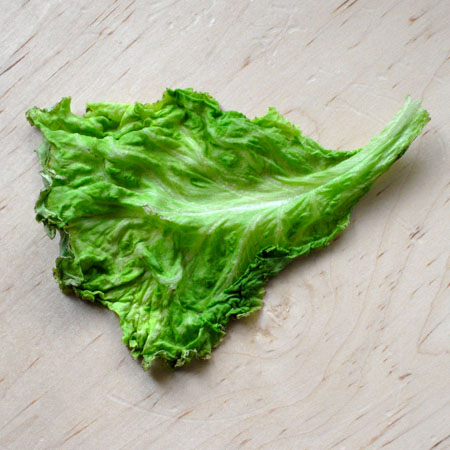
- The crispness of fresh lettuce is due to turgidity in its cells.
4. Crenation
Definition:
Crenation is the shrinkage of red blood cells when placed in a hypertonic solution, due to water loss through osmosis.
Cause:
In a hypertonic solution, water exits the cell, causing it to shrivel and lose its normal shape.
Significance:
Crenation emphasizes the role of osmotic balance in maintaining cell structure and function, particularly in red blood cells.
Example:
- Red blood cells placed in saltwater will shrink, causing them to lose their normal biconcave shape.

Conclusion
The processes of diffusion, osmosis, and active transport are fundamental for maintaining the internal environment of the cell, regulating the movement of substances in and out of the cell. These processes influence various phenomena, including haemolysis, plasmolysis, turgidity, and crenation. Understanding these processes is vital in areas like medicine, plant biology, and physiology, as they directly impact cellular functions and health.