Hormonal Coordination
Hormonal coordination involves chemical messengers called hormones that regulate and control various physiological processes in animals and plants. This guide covers animal and plant hormones, their functions, and associated processes.
1. Animal Hormones
Hormones in animals are secreted by endocrine glands. They play vital roles in maintaining homeostasis, regulating growth, reproduction, metabolism, and response to stimuli.
1.1 Endocrine Glands and Their Hormones
| Gland | Hormone(s) Secreted | Function | Effects of Imbalance |
|---|---|---|---|
| Pituitary Gland | Growth hormone (GH), TSH, ACTH, etc. | Controls growth, metabolism, stress response | Over: Gigantism; Under: Dwarfism |
| Thyroid Gland | Thyroxine | Regulates metabolism, growth | Over: Hyperthyroidism; Under: Hypothyroidism |
| Adrenal Gland | Adrenaline, Cortisol | Fight-or-flight response, stress | Over: Anxiety; Under: Fatigue |
| Pancreas | Insulin, Glucagon | Regulates blood glucose levels | Over: Hypoglycemia; Under: Diabetes |
| Gonads | Testosterone, Estrogen, Progesterone | Reproductive processes, secondary sexual traits | Over: Hormonal imbalance disorders |
Key Hormones and Their Functions:
- Thyroxine (Thyroid): Essential for metamorphosis in toads and regulates metabolism.
- Example: Tadpole to adult toad transformation requires thyroxine.
- Adrenaline (Adrenal): Prepares the body for emergencies by increasing heart rate and energy availability.
- Example: Fight-or-flight response during danger.
- Insulin (Pancreas): Lowers blood sugar by facilitating glucose uptake.
- Application: Diabetes treatment with insulin injections.
1.2 Metamorphosis in Toads
Metamorphosis is the transformation of a tadpole into an adult toad. Thyroxine, secreted by the thyroid gland, is critical for this process:
- Stages:
- Tadpole: Aquatic, with gills and a tail.
- Adult Toad: Terrestrial, with lungs and legs.
- Role of Thyroxine: Stimulates development of legs, lungs, and the resorption of the tail.
Key Equation:
Iodine + Thyroid Gland → Thyroxine
2. Plant Hormones
Plant hormones regulate growth, development, and responses to environmental stimuli. Key hormones include auxins, gibberellins, cytokinins, abscisic acid, and ethylene.
2.1 Auxins
Auxins are critical for plant growth and development.
Functions:
- Lateral Bud Development: Suppress lateral bud growth (apical dominance).
- Leaf Fall (Abscission): Delay leaf abscission.
- Initiation of Adventitious Roots: Promote root formation from cuttings.
- Example: Used in rooting powders for plant propagation.
Crop Applications:
- Growth Regulation: Promote elongation of stems.
- Weed Control: Synthetic auxins (e.g., 2,4-D) act as herbicides, selectively killing broadleaf weeds.
2.2 Plant Hormones and Their Effects
| Hormone | Function | Example Application |
|---|---|---|
| Auxins | Cell elongation, root initiation | Rooting powders, weed killers |
| Gibberellins | Stem elongation, seed germination | Increasing fruit size (grapes) |
| Cytokinins | Promotes cell division | Tissue culture in agriculture |
| Abscisic Acid | Stress responses (drought tolerance) | Improves crop drought resilience |
| Ethylene | Ripening of fruits | Artificial ripening of fruits |
3. Real-World Applications and Misconceptions
3.1 Applications
- Agriculture: Synthetic hormones like auxins are used to control plant growth and weeds.
- Medicine: Insulin and thyroxine treat diabetes and thyroid disorders respectively.
- Biotechnology: Plant tissue culture employs cytokinins and auxins.
3.2 Common Misconceptions
- All hormones act independently: Hormones often interact in complex pathways.
- More hormone is better: Excess hormones can disrupt physiological balance.
4. Summary and Diagrams
Key Takeaways:
- Hormonal coordination ensures precise control over body processes in animals and plants.
- Imbalances can lead to significant health and growth issues.
- Hormones have practical applications in agriculture, medicine, and biotechnology.
Diagram: Hormonal Regulation in Toad Metamorphosis
[A diagram illustrating the stages of tadpole metamorphosis influenced by thyroxine.]
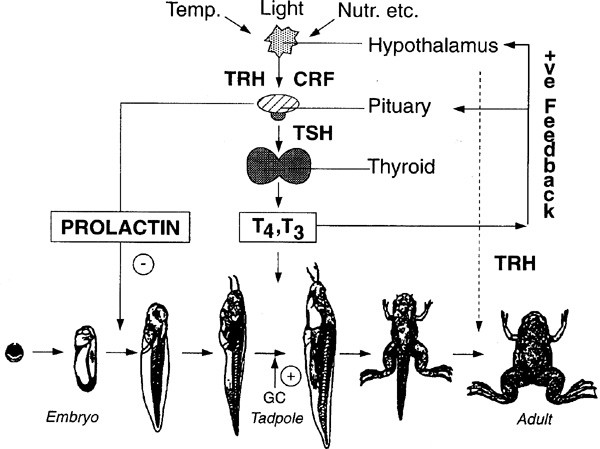
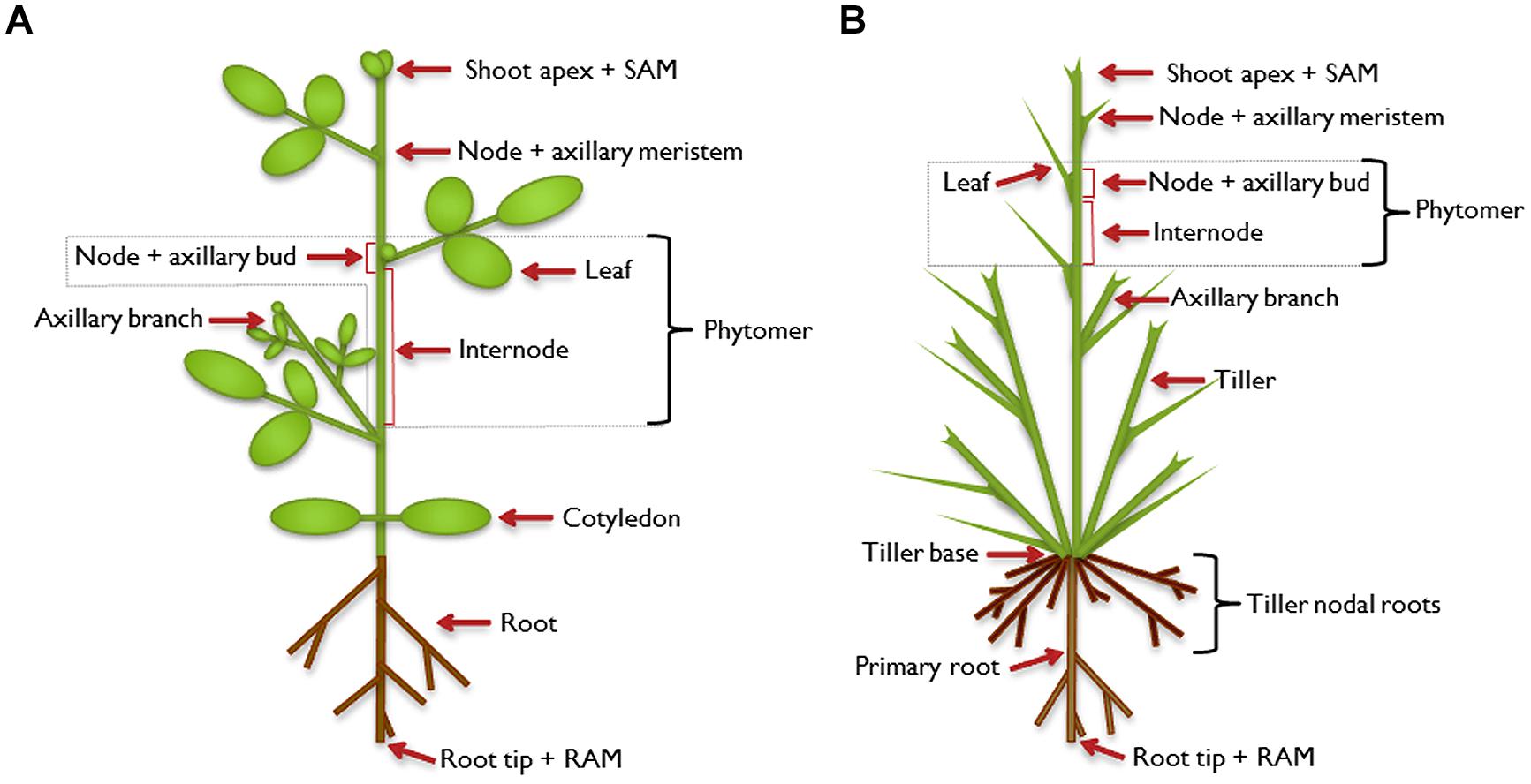
Diagram: Effects of Auxins
[A plant diagram showing apical dominance, adventitious root formation, and delayed leaf fall.]
By understanding hormonal coordination, we can harness its principles to improve health, agriculture, and environmental sustainability.