Excretory Systems and Mechanisms
Excretion is the biological process by which organisms remove waste products of metabolism and other non-useful substances. It is essential for maintaining homeostasis by regulating the internal environment.
1. Types of Excretory Systems
Excretory systems vary across organisms to suit their needs and environment. These include mechanisms in animals (e.g., kidneys in mammals) and plants (e.g., stomata and lenticels).
1.1 Kidney (Excretory Organ in Mammals)
- Function: The kidney filters blood to remove nitrogenous wastes (urea), excess salts, and water.
- Structure:
- Cortex: Outer layer containing nephrons.
- Medulla: Inner layer with looped structures (Henle's loop) aiding water reabsorption.
- Pelvis: Funnel-like region leading to the ureter.
- Mechanism:
- Filtration: Blood is filtered in the glomerulus.
- Reabsorption: Essential substances are reabsorbed in the tubules.
- Excretion: Remaining waste is excreted as urine via the ureter, stored in the bladder, and released through the urethra.
Key Formula:
Urine Formation: Filtration - Reabsorption + Secretion
Examples:
- Small Mammal (e.g., Rat):
- Observe and dissect to identify kidney structure. Draw and label the nephron and urinary system.

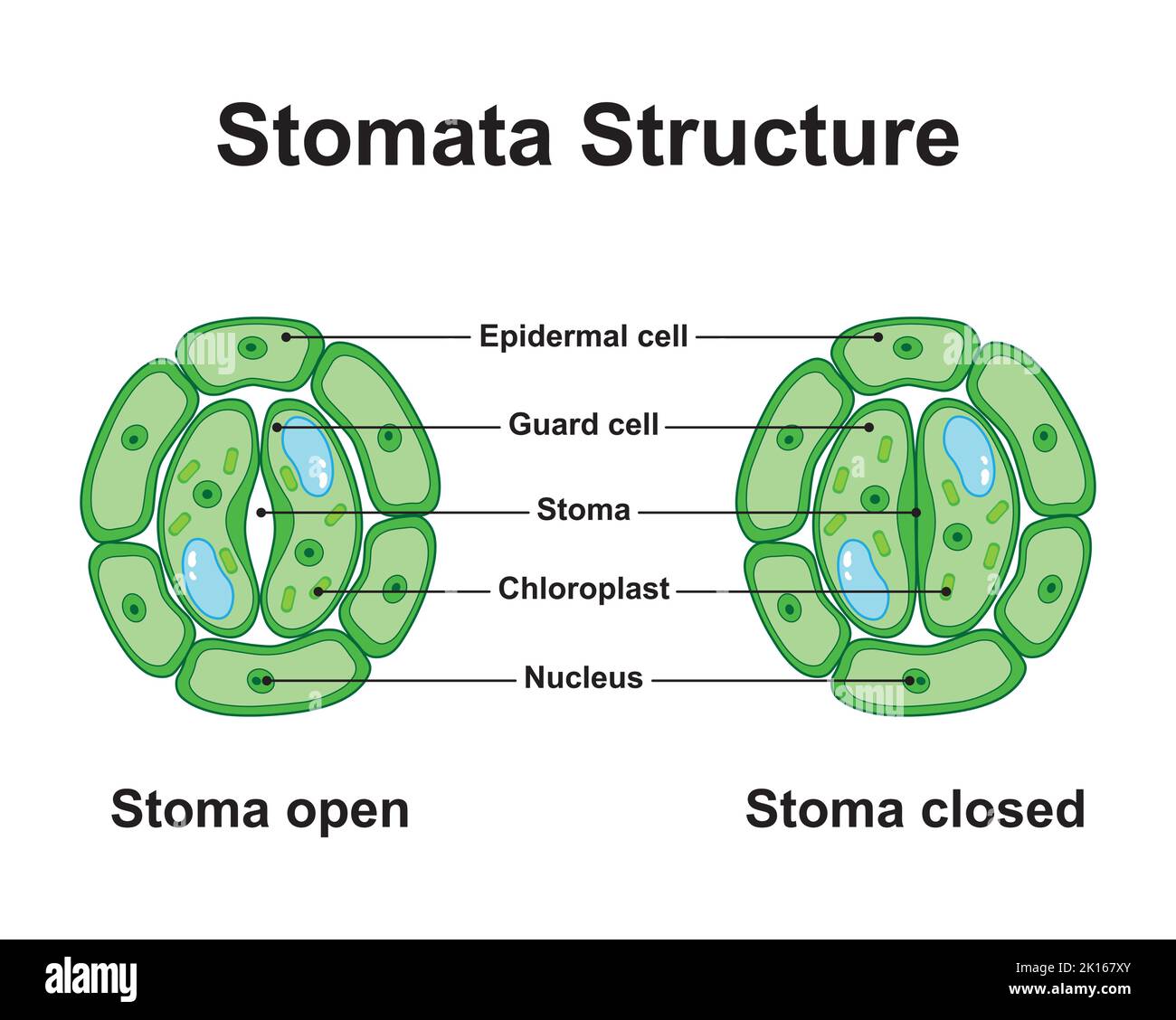
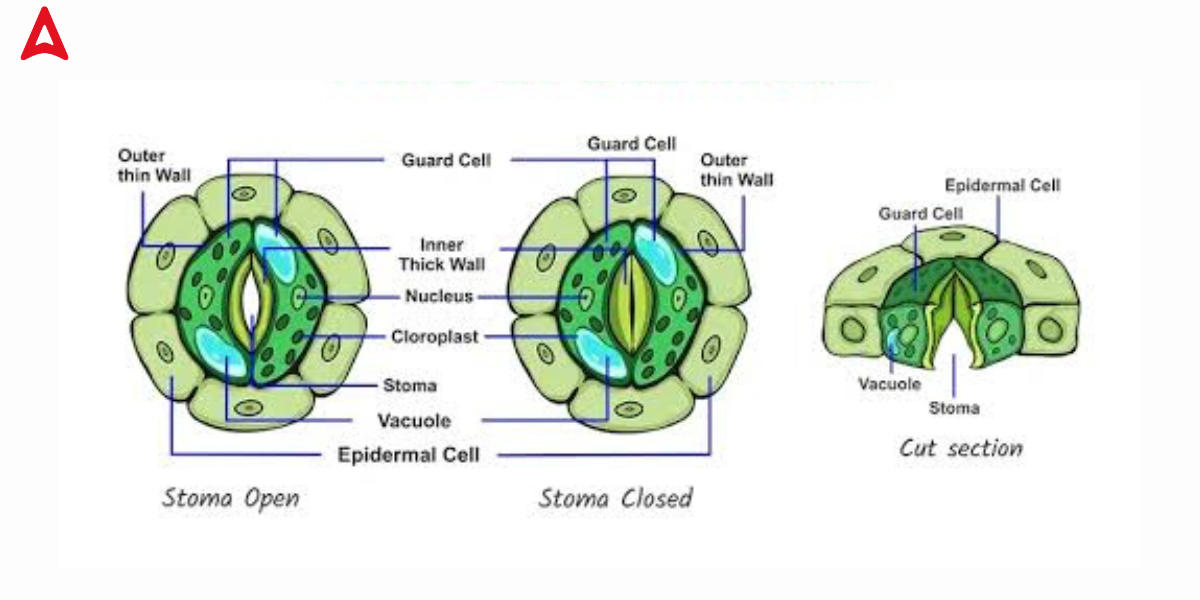
1.2 Stomata and Lenticels (Excretory Structures in Plants)
Stomata:
- Location: Found on leaf surfaces.
- Function:
- Facilitate gas exchange (oxygen and carbon dioxide).
- Remove excess water via transpiration.
- Mechanism: Water vapor and oxygen (waste products) exit during photosynthesis and respiration.
Lenticels:
- Location: Present on the bark of woody plants.
- Function: Enable gaseous exchange between internal tissues and the atmosphere.
- Mechanism: Oxygen enters and carbon dioxide is released through these porous structures.
Illustration:
Draw labeled diagrams of stomata and lenticels, showing their structure and functions.
2. Characteristics of Excretory Organs
- Adaptations for Function:
- High surface area for exchange (e.g., kidney tubules).
- Presence of pores for passive exchange (e.g., stomata and lenticels).
- Vascular supply in animal systems for efficient transport.
- Diversity:
- Specialized structures (e.g., nephrons in kidneys) for filtering and selective reabsorption.
- Simple structures in plants for diffusion-based exchange.
3. Excretion in Plants
Plants lack specialized excretory organs, relying on passive mechanisms for waste removal.
3.1 Excretory Products:
- Primary Metabolic Wastes:
- Water (from transpiration).
- Oxygen (by-product of photosynthesis).
- Carbon dioxide (from respiration).
- Secondary Metabolites:
- Alkaloids: E.g., nicotine (toxic defense compound).
- Tannins: Used for protection against herbivores.
- Gums and Resins: Excreted to seal wounds and deter pests.
- Organic Acids: Excreted through diffusion or storage.
3.2 Mechanisms:
- Gaseous Exchange: Via stomata and lenticels.
- Secretion: Gums and resins accumulate in vacuoles or are exuded.
4. Real-World Applications
- Kidney Function:
- Medical diagnostics (e.g., urine tests to detect diseases).
- Dialysis as an artificial mechanism for kidney failure.
- Plant Excretion:
- Tannins and alkaloids in pharmaceuticals.
- Oxygen production essential for life.
5. Common Misconceptions
- "Plants do not excrete": Plants excrete wastes differently but effectively via stomata, lenticels, and storage of secondary metabolites.
- "Excretion is only the removal of solid waste": Excretion includes gaseous and liquid waste elimination.
Summary
- Excretion is vital for homeostasis in all organisms.
- Kidneys efficiently remove nitrogenous wastes in mammals, while stomata and lenticels manage gaseous exchange in plants.
- Plants produce both metabolic and secondary wastes, which are excreted or stored for specific purposes.
- Real-world implications of understanding excretion range from healthcare to agriculture.
Illustrations:
- Diagram of Human Kidney: Showing cortex, medulla, pelvis, and nephron structure.
2. Structure of Stomata and Lenticels: Labeled diagrams demonstrating their roles in gaseous exchange.