Ecological Management:
Ecological Management: Comprehensive Notes
1. Biological Associations
Biological associations refer to interactions between organisms within an ecosystem. These associations play vital roles in maintaining ecological balance and the survival of species.
1.1. Types of Associations
1.1.1. Parasitism
- Definition: A relationship where one organism (parasite) benefits at the expense of another (host).
- Example: Tapeworms in humans derive nutrients from the host's intestine.
- Effects:
- Parasite benefits by obtaining nutrients.
- Host may suffer health issues or reduced fitness.
1.1.2. Symbiosis
- Definition: A mutually beneficial association between two species.
- Example: Lichens (a partnership between fungi and algae) where algae provide food via photosynthesis and fungi offer protection and structure.
- Effects: Both organisms benefit and often cannot survive independently.
1.1.3. Commensalism
- Definition: A relationship where one organism benefits while the other is neither harmed nor helped.
- Example: Barnacles attached to whales benefit from transport and access to food, while the whale remains unaffected.
1.1.4. Saprophytism
- Definition: A relationship where organisms (saprophytes) feed on dead or decaying organic matter.
- Example: Fungi and bacteria decompose organic material, recycling nutrients into the ecosystem.
2. Adaptation of Organisms to Habitats
Adaptations are modifications in structure, behavior, or physiology that enable organisms to survive in their specific environments.
2.1. Adaptations in Plants
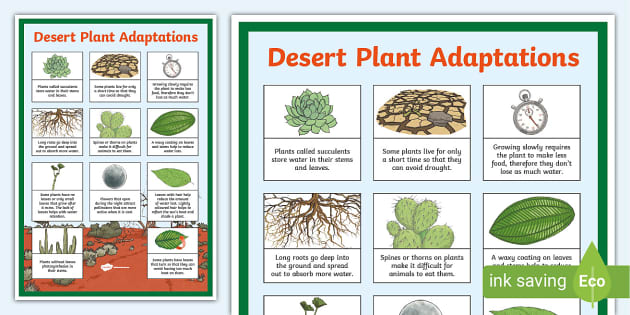
- Desert Plants (Xerophytes): Thick cuticles, deep roots, and reduced leaf size to conserve water (e.g., Cactus).
- Aquatic Plants (Hydrophytes): Air-filled tissues for buoyancy, reduced xylem, and flexible stems (e.g., Water Hyacinth).
2.2. Adaptations in Animals
- Desert Animals: Camels have water storage in humps, wide feet for sand, and the ability to withstand high temperatures.
- Arctic Animals: Polar bears have thick fur, fat layers, and white coats for insulation and camouflage.
- Forest Animals: Monkeys have prehensile tails and strong limbs for climbing.
3. Pollution of the Atmosphere
Pollution involves introducing harmful substances into the environment, affecting organisms and ecosystems.
3.1. Air Pollution
3.1.1. Nature and Sources
- Pollutants: Carbon monoxide (CO), sulfur dioxide (SO₂), nitrogen oxides (NOₓ), smoke, smog, dust, and particulate matter.
- Sources: Vehicle emissions, industrial discharges, burning fossil fuels, and deforestation.
3.1.2. Effects
- Health: Respiratory issues, cardiovascular diseases, and eye irritation.
- Environment: Acid rain, reduced air quality, and climate change.
3.2. Noise Pollution
Sources
- Generators, airplanes, construction equipment, and loud electronic devices.
Effects
- Health: Hearing loss, stress, sleep disturbances, and cardiovascular problems.
- Environment: Disruption of animal communication and behavioral patterns.
4. Water and Soil Pollution
4.1. Types of Pollutants
Water Pollution
- Pollutants: Synthetic substances (detergents), sewage, industrial waste, herbicides, pesticides, and crude oil spills.
- Effects: Eutrophication, destruction of aquatic ecosystems, and contamination of drinking water.
Soil Pollution
- Pollutants: Artificial fertilizers, pesticides, industrial waste, and decaying organic matter.
- Effects: Reduced soil fertility, contamination of crops, and bioaccumulation of toxic substances.
4.2. Features of Biological Importance
- Oil Spillage: Harms marine ecosystems, reduces biodiversity, and affects local economies dependent on fisheries.
- Eutrophication: Overgrowth of algae depletes oxygen, killing aquatic life.
5. Summary and Real-World Applications
5.1. Key Points
- Biological associations (parasitism, symbiosis, etc.) shape ecosystems.
- Organisms develop unique adaptations for survival in specific habitats.
- Pollution (air, water, soil, and noise) poses significant threats to health and ecosystems.
5.2. Applications
- Understanding symbiosis aids in agricultural innovations (e.g., nitrogen-fixing bacteria in legumes).
- Studying adaptations informs conservation efforts and climate resilience strategies.
- Pollution control measures like afforestation, waste management, and renewable energy reduce environmental harm.
5.3. Common Misconceptions
- Symbiosis is not always mutual benefit; it includes parasitism.
- Pollution control is not solely the responsibility of industries but requires community action.
- Noise pollution is often underestimated in its environmental and health impacts.
6. Diagrams and Illustrations
- Figure 1: Diagram illustrating biological associations (parasitism, symbiosis, commensalism, saprophytism).


- Figure 2: Adaptation features in desert and aquatic plants.
- Figure 3: Air pollution cycle showing sources and effects on health and the environment.
This structured note provides a comprehensive understanding of ecological management while addressing its practical relevance and dispelling misconceptions.