Ecological factors
1. Introduction to Ecological Factors
Ecological factors are environmental variables that influence the survival, growth, reproduction, and distribution of organisms. These factors shape ecosystems and their dynamics.
Classification of Ecological Factors
- Abiotic Factors: Non-living components of the environment, including:
- Physical factors: Temperature, light, water, and soil.
- Chemical factors: pH, salinity, oxygen levels, and nutrient availability.
- Biotic Factors: Interactions among living organisms, including:
- Predation, competition, mutualism, and parasitism.
Key Points
- Both aquatic and terrestrial ecosystems are influenced by the interplay of abiotic and biotic factors.
- Ecological factors are interdependent and contribute to habitat diversity.
2. Ecological Factors in Aquatic Ecosystems
Aquatic ecosystems include oceans, rivers, lakes, and wetlands. The survival of organisms depends on unique ecological factors.
2.1 Abiotic Factors
- Light Penetration:
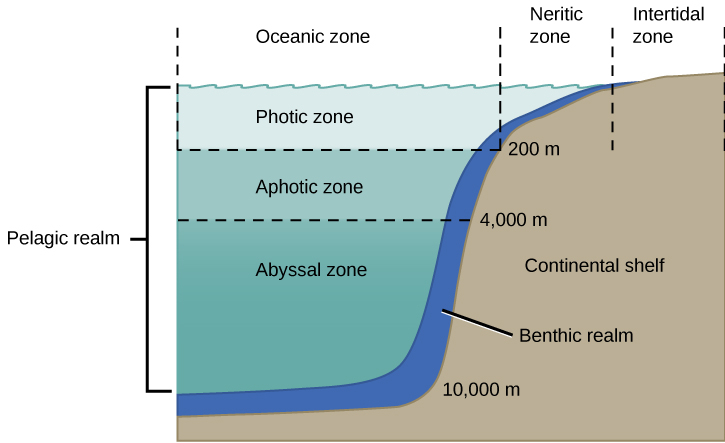
- Light decreases with depth, creating photic (lighted) and aphotic (dark) zones.
- Example: Coral reefs thrive in photic zones with abundant light.
- Temperature:
- Water temperature influences metabolic rates and biodiversity.
- Example: Coldwater fish like salmon are adapted to specific temperature ranges.
- Salinity:
- The concentration of dissolved salts determines freshwater, brackish, or marine environments.
- Example: Mangroves thrive in brackish water.
- Dissolved Oxygen:
- Essential for aquatic life; varies with depth and turbulence.
- Example: Fish kills occur in oxygen-depleted zones.
- Nutrient Availability:
- Nutrients like nitrates and phosphates support primary production.
- Example: Algal blooms in nutrient-rich water bodies.
2.2 Biotic Factors
- Predation and Competition:
- Species compete for resources like food and habitat.
- Example: Predator-prey dynamics regulate fish populations.
- Symbiotic Relationships:
- Example: Cleaner fish remove parasites from larger species.
3. Ecological Factors in Terrestrial Ecosystems
Terrestrial ecosystems include forests, grasslands, deserts, and tundras. Abiotic and biotic factors dictate the adaptations of plants and animals.
3.1 Abiotic Factors
- Temperature:
- Variations influence vegetation types and animal behavior.
- Example: Polar bears are adapted to extreme cold in tundras.
- Water Availability:
- Determines plant types (xerophytes in deserts, hydrophytes in wetlands).
- Example: Cacti store water to survive arid conditions.
- Soil Type and Nutrients:
- Affects plant growth and primary production.
- Example: Fertile alluvial soils support agriculture.
- Light Intensity:
- Influences photosynthesis rates.
- Example: Shade-tolerant plants thrive in dense forests.
3.2 Biotic Factors
- Herbivory and Predation:
- Example: Grazing by herbivores regulates plant biomass.
- Mutualism and Competition:
- Example: Pollination by insects enhances plant reproduction.
4. Common Ecological Factors Across All Habitats
Certain ecological factors are universally significant, regardless of the habitat type.
4.1 Temperature:
- Affects enzymatic activity and metabolic rates.
- Example: Seasonal migration of birds to favorable climates.
4.2 Water:
- Essential for life processes in all ecosystems.
- Example: Amphibians depend on water for reproduction.
4.3 Nutrient Cycling:
- Cycles like carbon and nitrogen are critical for ecosystem health.
- Example: Decomposition recycles nutrients in both land and water.
4.4 Light:
- The primary energy source driving photosynthesis.
- Example: Phytoplankton in aquatic ecosystems depend on light for energy.
5. Importance of Ecological Factors to Populations
- Distribution and Abundance:
- Ecological factors determine where species thrive.
- Example: Tropical rainforests support diverse species due to optimal temperature and moisture.
- Adaptations:
- Organisms evolve traits to cope with environmental conditions.
- Example: Camouflage in desert animals reduces predation.
- Population Dynamics:
- Abiotic stressors like droughts affect population size.
- Example: Drought-induced decline in amphibian populations.
6. Real-World Applications
- Conservation Biology:
- Understanding ecological factors helps preserve biodiversity.
- Example: Habitat restoration considers soil and water quality.
- Agriculture:
- Knowledge of soil and light conditions optimizes crop yields.
- Example: Drip irrigation addresses water scarcity.
- Urban Planning:
- Incorporates ecological factors to reduce habitat loss.
7. Common Misconceptions
- Misconception: Abiotic factors are more important than biotic factors.
- Correction: Both are interdependent and equally critical.
- Misconception: Aquatic ecosystems are unaffected by light availability.
- Correction: Light penetration is vital for aquatic productivity.
8. Summary
- Ecological factors, both abiotic and biotic, are integral to ecosystem health and dynamics.
- Aquatic and terrestrial ecosystems exhibit unique and overlapping ecological challenges and opportunities.
- A deep understanding of these factors aids in sustainable development and biodiversity conservation.
9. Diagrammatic Representation
- Aquatic Ecosystem:
- A diagram showing zones (photic, aphotic) and key factors like light and dissolved oxygen.
- Terrestrial Ecosystem:
- A diagram of a forest ecosystem highlighting temperature, soil, and biotic interactions.

Let me know if you'd like detailed diagrams or additional elaboration on specific sections!