Concept of Living: Classification
Classification
Classification is a systematic method of organizing living and non-living things based on their shared characteristics. It allows scientists to understand relationships, study organisms, and communicate findings more effectively.
1. Classification of Living and Non-Living Things
Living Things
Living things exhibit specific characteristics that differentiate them from non-living things. These include growth, reproduction, respiration, movement, responsiveness to stimuli, and the ability to maintain homeostasis.
Examples:
- Animals: Humans, dogs, and fishes.
- Plants: Oak tree, sunflower, and moss.
- Microorganisms: Bacteria and Amoeba.
Non-Living Things
Non-living things lack the characteristics of life. They do not grow, reproduce, or respond to stimuli.
Examples:
- Natural: Rocks, water, and air.
- Man-made: Chairs, computers, and buildings.
Viruses: The Link Between Living and Non-Living Things
Viruses are unique because they exhibit characteristics of both living and non-living entities:
- Living traits: Capable of reproduction, but only inside a host cell.
- Non-living traits: Do not exhibit metabolism, movement, or growth outside a host.
Examples: HIV, Influenza virus, Bacteriophages.
2. Classification of Living Things into Kingdoms
Living organisms are grouped into five major kingdoms based on cellular structure, complexity, mode of nutrition, and reproduction.
2.1 Kingdom Monera
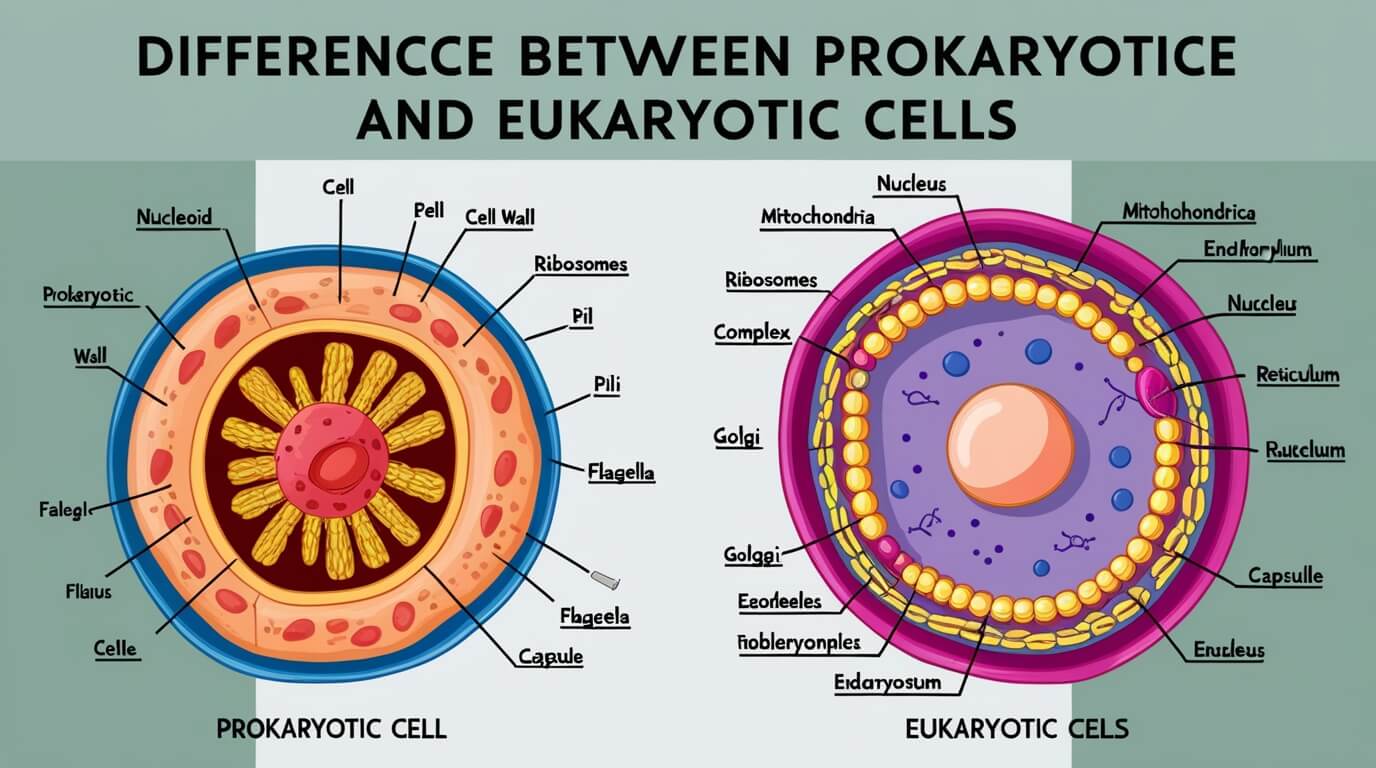
- Type: Prokaryotic, unicellular.
- Features: No defined nucleus or membrane-bound organelles. Reproduce asexually.
- Examples: Bacteria, Cyanobacteria (blue-green algae).
2.2 Kingdom Protista (Protoctista)
- Type: Eukaryotic, unicellular or multicellular.
- Features: Complex cells with a defined nucleus.
- Examples: Amoeba, Paramecium, Euglena.
- Major Phyla:
- Rhizopoda: Amoeba (pseudopodia for movement).
- Ciliophora: Paramecium (cilia for movement).
- Euglenophyta: Euglena (can photosynthesize and ingest food).
2.3 Kingdom Fungi
- Type: Eukaryotic, mostly multicellular (except yeast).
- Features: Non-motile, heterotrophic, composed of hyphae. Reproduce via spores.
- Examples: Mushrooms, Moulds, Yeast.
- Major Phyla:
- Zygomycota: Rhizopus (bread mould).
- Ascomycota: Yeast, Penicillium.
- Basidiomycota: Mushrooms, Puffballs.
2.4 Kingdom Plantae
- Type: Eukaryotic, multicellular, autotrophic.
- Features: Possess chlorophyll for photosynthesis. Non-motile.
- Examples: Mosses, Ferns, Flowering plants.
- Major Divisions and Classes:
- Bryophyta: Liverworts, Mosses.
- Pteridophyta: Ferns.
- Gymnosperms: Pines, Cycads.
- Angiosperms:
- Monocotyledons: Maize, Rice.
- Dicotyledons: Beans, Mango.
2.5 Kingdom Animalia
- Type: Eukaryotic, multicellular, heterotrophic.
- Features: Motile, lack cell walls, rely on other organisms for food.
- Examples: Insects, Fishes, Mammals.
- Major Phyla:
- Porifera: Sponges (filter feeders).
- Cnidaria: Jellyfish (tentacles with stinging cells).
- Arthropoda: Cockroach, Butterfly (exoskeleton and jointed appendages).
- Chordata: Vertebrates like Tilapia, Toad, Lizard, Pigeon.
3. Differences Between Plants and Animals
| Feature | Plants | Animals |
|---|---|---|
| Cell Structure | Cell wall present (cellulose). | No cell wall. |
| Nutrition | Autotrophic (photosynthesis). | Heterotrophic. |
| Movement | Generally non-motile. | Motile. |
| Growth | Indeterminate (throughout life). | Determinate (stops after a stage). |
| Response to Stimuli | Slow and limited. | Rapid and extensive. |
Real-World Applications
- Medicine: Classification aids in identifying pathogens and developing antibiotics (e.g., Penicillium-derived penicillin).
- Agriculture: Understanding plant classifications improves crop breeding and pest control.
- Conservation: Helps prioritize species protection based on biodiversity studies.
Common Misconceptions
- All unicellular organisms are simple: Protists like Euglena are highly complex.
- Fungi are plants: Fungi lack chlorophyll and do not photosynthesize.
- Viruses are always harmful: Some viruses are used in gene therapy.
Kingdom Overview Chart: Highlight features and examples for Monera, Protista, Fungi, Plantae, and Animalia.

Flowchart of Classification: Trace from Kingdom to Phylum, Class, and Species.
Flowchart of Classification: Kingdom to Species
- Kingdom: Broadest category that includes all living organisms.
- Example: Animalia
↓
- Example: Animalia
- Phylum: Divides the kingdom based on major structural features.
- Example: Chordata (animals with a backbone)
↓
- Example: Chordata (animals with a backbone)
- Class: Groups organisms within a phylum based on shared characteristics.
- Example: Mammalia (warm-blooded, hair, milk production)
↓
- Example: Mammalia (warm-blooded, hair, milk production)
- Order: Subdivision of class focusing on closely related families.
- Example: Primates (opposable thumbs, large brains)
↓
- Example: Primates (opposable thumbs, large brains)
- Family: Groups organisms with even more specific similarities.
- Example: Hominidae (great apes and humans)
↓
- Example: Hominidae (great apes and humans)
- Genus: Groups closely related species.
- Example: Homo
↓
- Example: Homo
- Species: Most specific category, defining organisms that can interbreed.
- Example: Homo sapiens.